
 Image 1 of 4
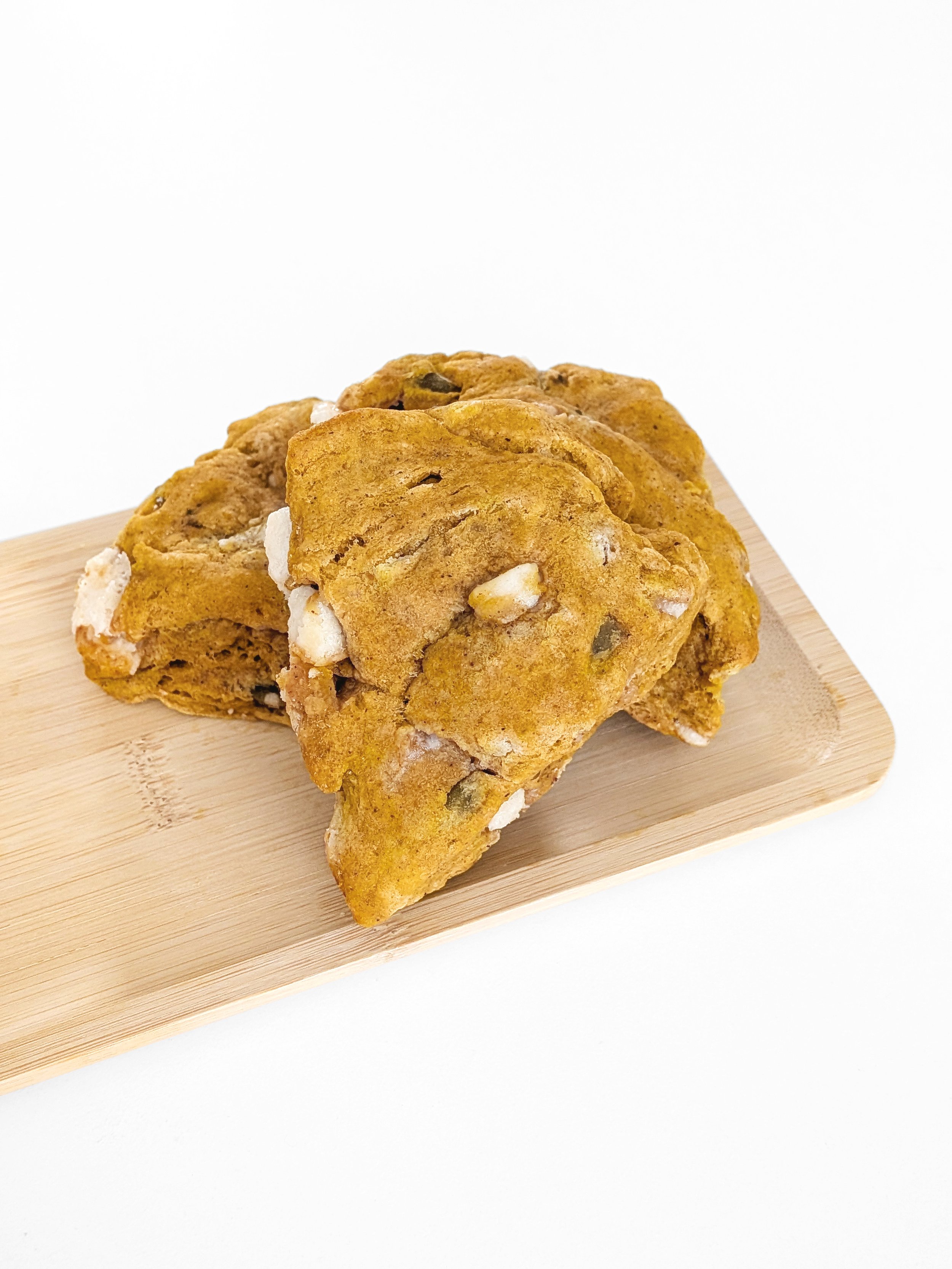 Image 2 of 4
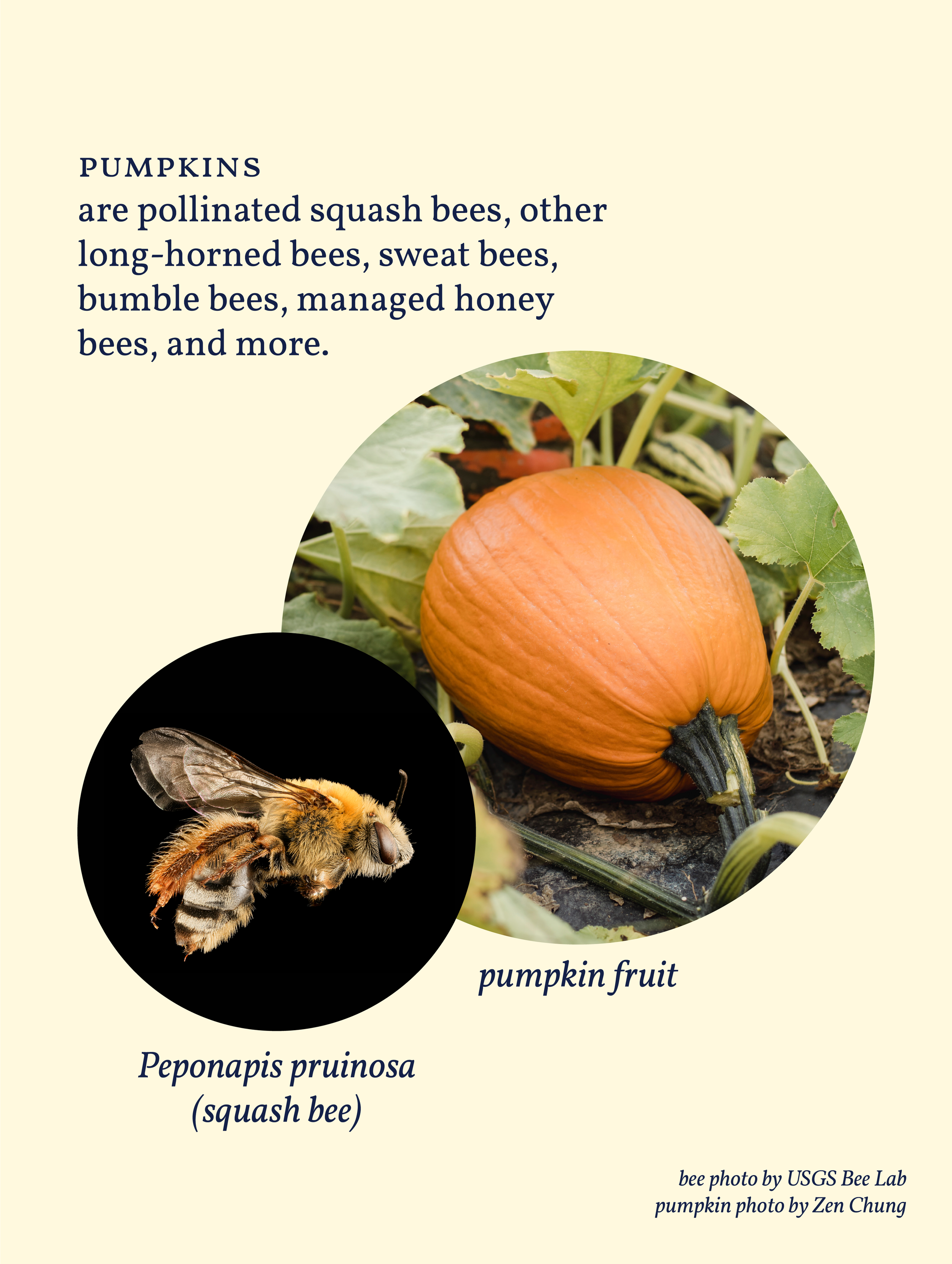 Image 3 of 4
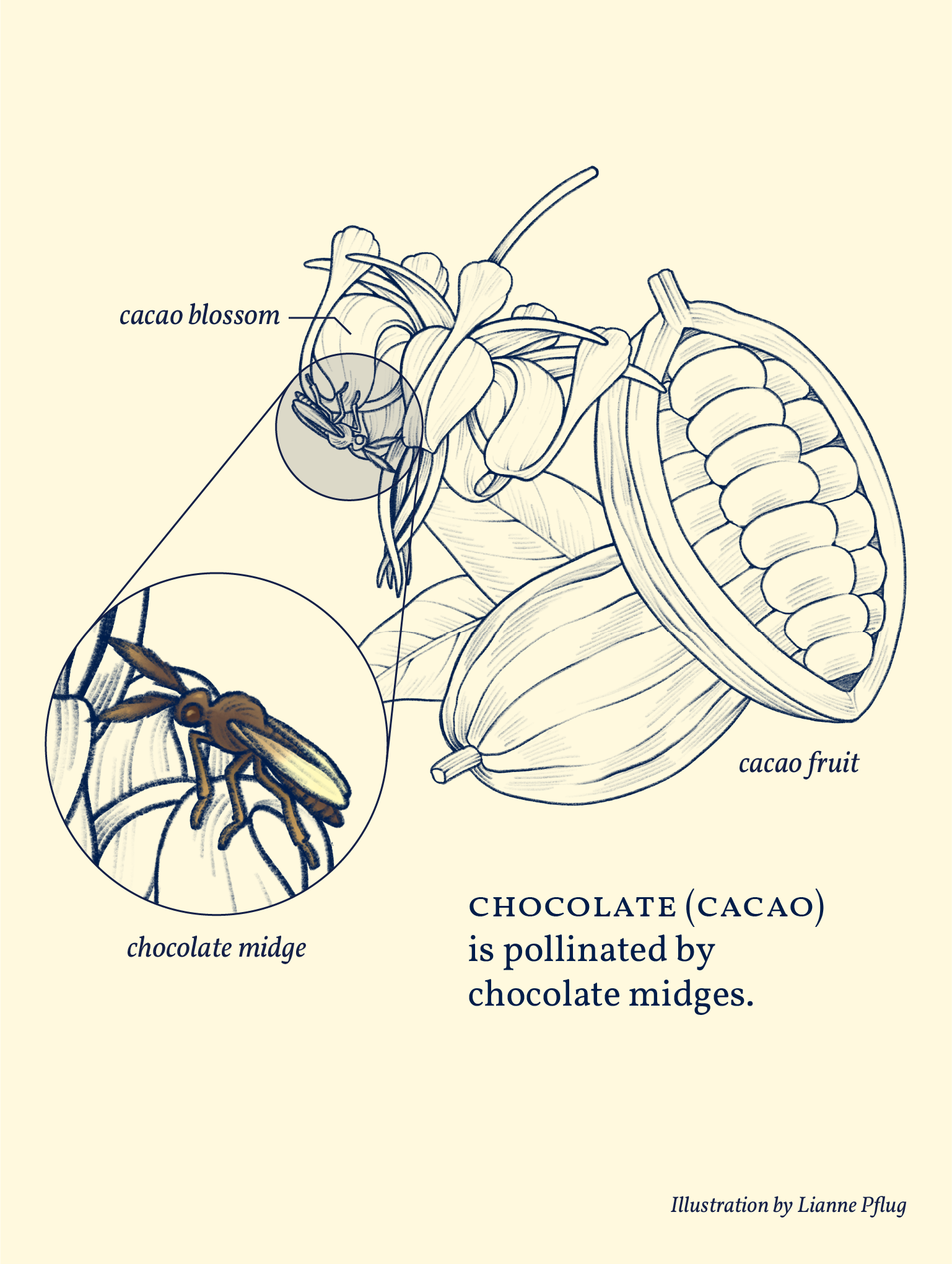 Image 4 of 4
2.5 oz scone, 3 pieces per order.
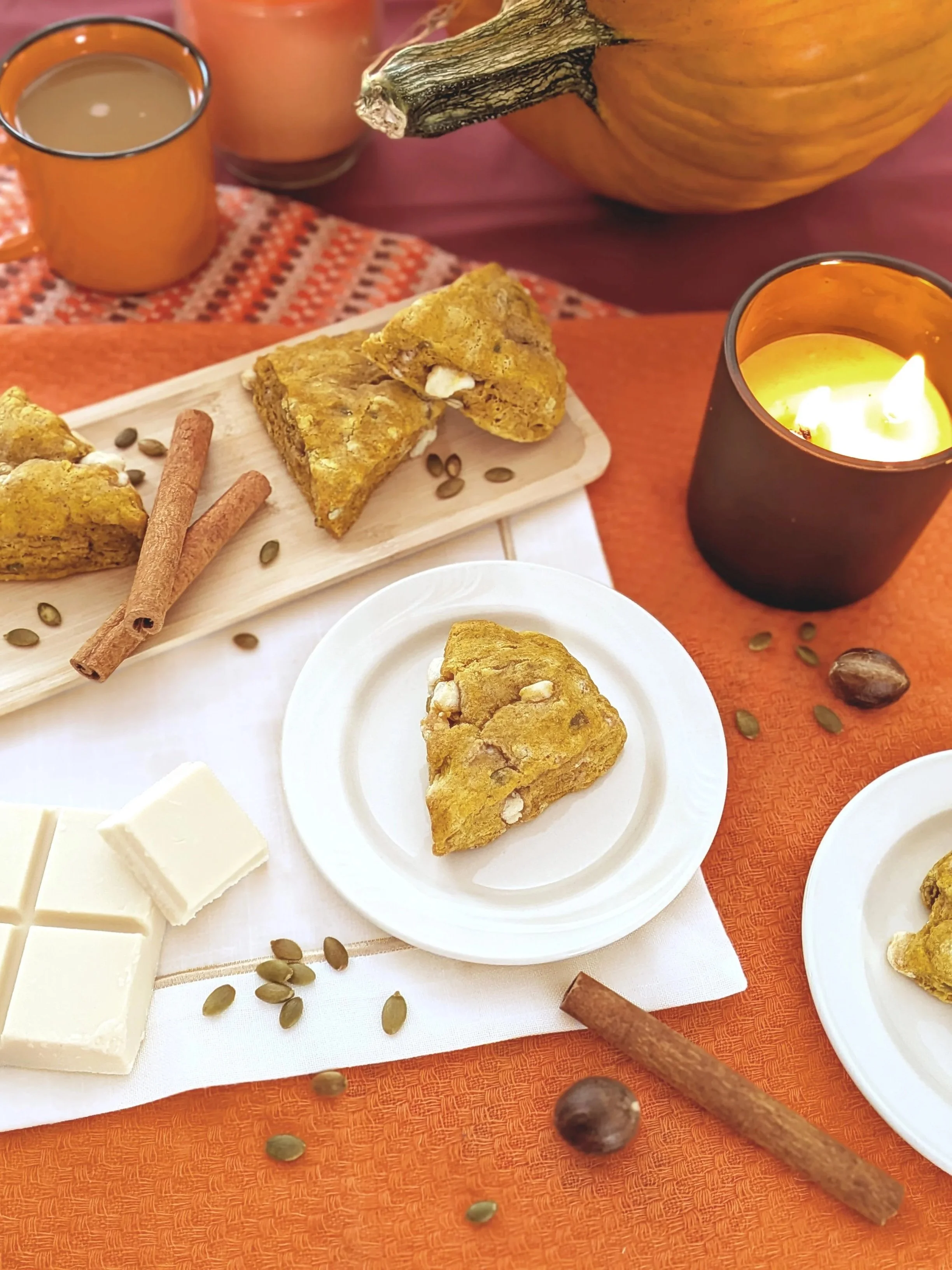
A flaky and tender scone made with pumpkin puree, our own blend of pumpkin pie spices, white chocolate chunks, and roasted pumpkin seeds.
Allergens: Wheat, Dairy, Egg, Soy.
Processed in a facility that also processes nuts.
Made in a Home Kitchen.
Key ingredients in all of our baked goods benefit greatly from pollinators! Pumpkin and all other varieties of plants in the genus Cucurbita (including squash, zucchini, etc.) are highly dependent on insect pollinators. Pollen must be transferred from the male flowers to the female flowers in order for fruit to grow, and the pollen grains are too heavy and sticky to be carried by wind. Since Cucurbita species are native to North America, they have their own native specialist bees in the genera Peponapis and Xenoglossa who provide very effective pollination. Additionally, other long-horned bees, sweat bees, bumble bees, and sometimes managed honey bees, flies, ants, and beetles also pollinate squash blossoms.
Chocolate, including white chocolate, is made from the dried, fermented seeds of cacao fruits which grow on the cacao tree, Theobroma cacao. The flowers of the cacao tree are tiny and complex and therefore need tiny pollinators to transfer their pollen so they can produce fruit. That’s where chocolate midges come in! Tiny flies in the family Ceratopogonidae, including the genus Forcipomyia, are known to be important pollinators of cacao. Other types of tiny flies, wasps, and ants have also been observed visiting cacao flowers, but more evidence is needed to know if they are successfully pollinating.
References:
• Brochu K.K., Fleischer S.J., López-Uribe M.M. (2021). Biology and pollination services of the squash bee, Eucera (Peponapis) pruinosa. Penn State Extension (Booklet) https://lopezuribelab.com/squash-bee-biology.
• “Cacao pollination.” Cacao Pollination, Community Ecology Lab at Vrije Universiteit Brussel, https://cacaopollination.com/cacao-pollinators/. Accessed 1 Sep. 2025.
• Koeneke, Mary Alice. “From Cacao to Chocolate.” Penn State Extension, 20 Jan. 2023, https://extension.psu.edu/from-cacao-to-chocolate.
• Mallinger, R.E. & Liburd, O.E. “Pollination of Cucurbita spp. (Squash and Pumpkin) Crops in Florida.” University of Florida, Ask IFAS, 22 Feb 2021, https://ask.ifas.ufl.edu/publication/IN1311.
IMPORTANT NOTE: All purchases of our baked goods through this website are PRE-ORDERS that need to be picked up at the location and date/timeframe specified during checkout. Shipping is available only within New York state via USPS Priority Mail. Shipments are sent out the Monday following the pre-order pick-up date and should arrive in 2-3 days. If you enter a shipping address outside of NY state, your order will be canceled and refunded.
2.5 oz scone, 3 pieces per order.
A flaky and tender scone made with pumpkin puree, our own blend of pumpkin pie spices, white chocolate chunks, and roasted pumpkin seeds.
Allergens: Wheat, Dairy, Egg, Soy.
Processed in a facility that also processes nuts.
Made in a Home Kitchen.
Key ingredients in all of our baked goods benefit greatly from pollinators! Pumpkin and all other varieties of plants in the genus Cucurbita (including squash, zucchini, etc.) are highly dependent on insect pollinators. Pollen must be transferred from the male flowers to the female flowers in order for fruit to grow, and the pollen grains are too heavy and sticky to be carried by wind. Since Cucurbita species are native to North America, they have their own native specialist bees in the genera Peponapis and Xenoglossa who provide very effective pollination. Additionally, other long-horned bees, sweat bees, bumble bees, and sometimes managed honey bees, flies, ants, and beetles also pollinate squash blossoms.
Chocolate, including white chocolate, is made from the dried, fermented seeds of cacao fruits which grow on the cacao tree, Theobroma cacao. The flowers of the cacao tree are tiny and complex and therefore need tiny pollinators to transfer their pollen so they can produce fruit. That’s where chocolate midges come in! Tiny flies in the family Ceratopogonidae, including the genus Forcipomyia, are known to be important pollinators of cacao. Other types of tiny flies, wasps, and ants have also been observed visiting cacao flowers, but more evidence is needed to know if they are successfully pollinating.
References:
• Brochu K.K., Fleischer S.J., López-Uribe M.M. (2021). Biology and pollination services of the squash bee, Eucera (Peponapis) pruinosa. Penn State Extension (Booklet) https://lopezuribelab.com/squash-bee-biology.
• “Cacao pollination.” Cacao Pollination, Community Ecology Lab at Vrije Universiteit Brussel, https://cacaopollination.com/cacao-pollinators/. Accessed 1 Sep. 2025.
• Koeneke, Mary Alice. “From Cacao to Chocolate.” Penn State Extension, 20 Jan. 2023, https://extension.psu.edu/from-cacao-to-chocolate.
• Mallinger, R.E. & Liburd, O.E. “Pollination of Cucurbita spp. (Squash and Pumpkin) Crops in Florida.” University of Florida, Ask IFAS, 22 Feb 2021, https://ask.ifas.ufl.edu/publication/IN1311.
IMPORTANT NOTE: All purchases of our baked goods through this website are PRE-ORDERS that need to be picked up at the location and date/timeframe specified during checkout. Shipping is available only within New York state via USPS Priority Mail. Shipments are sent out the Monday following the pre-order pick-up date and should arrive in 2-3 days. If you enter a shipping address outside of NY state, your order will be canceled and refunded.