
 Image 1 of 4
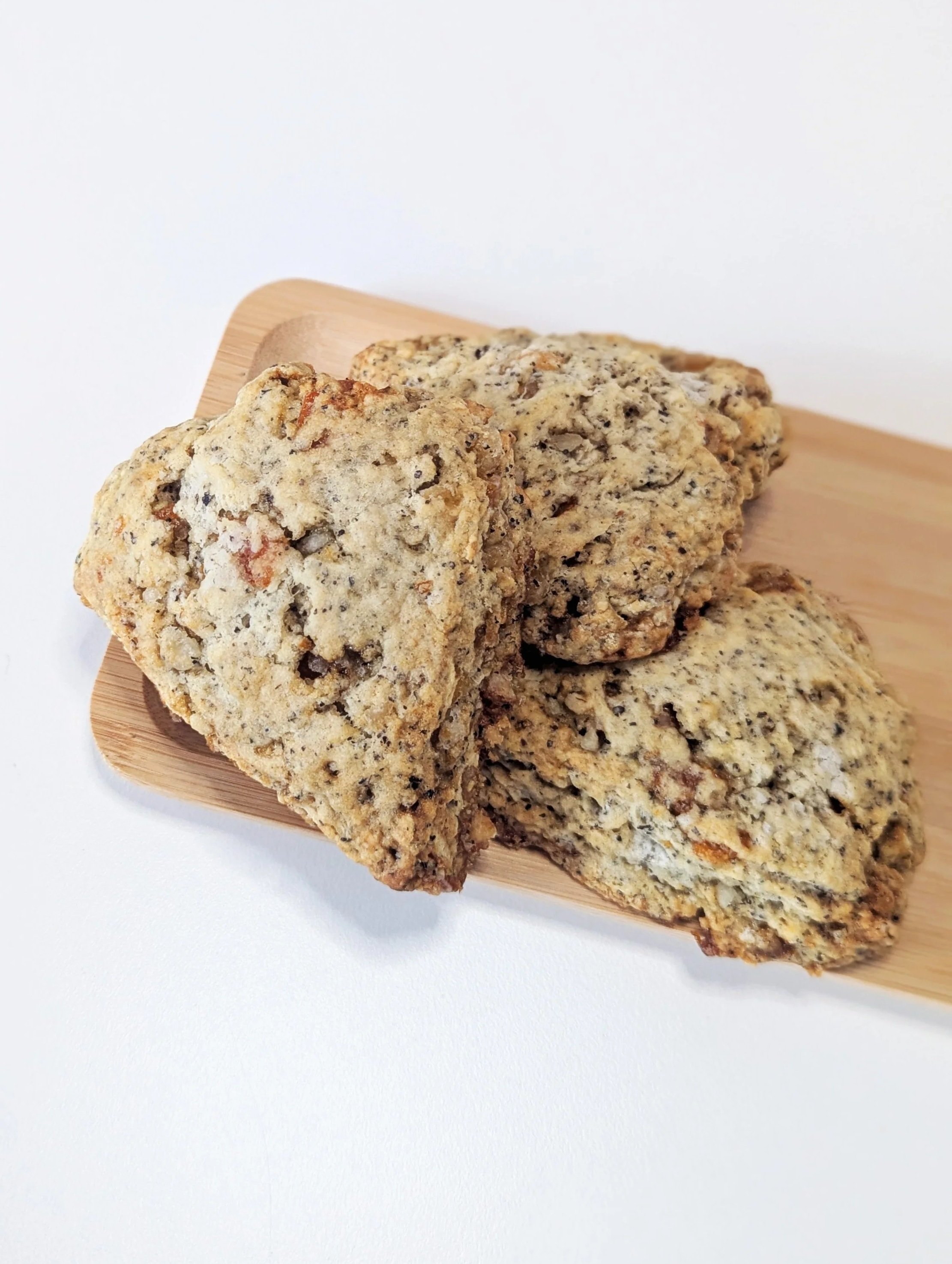 Image 2 of 4
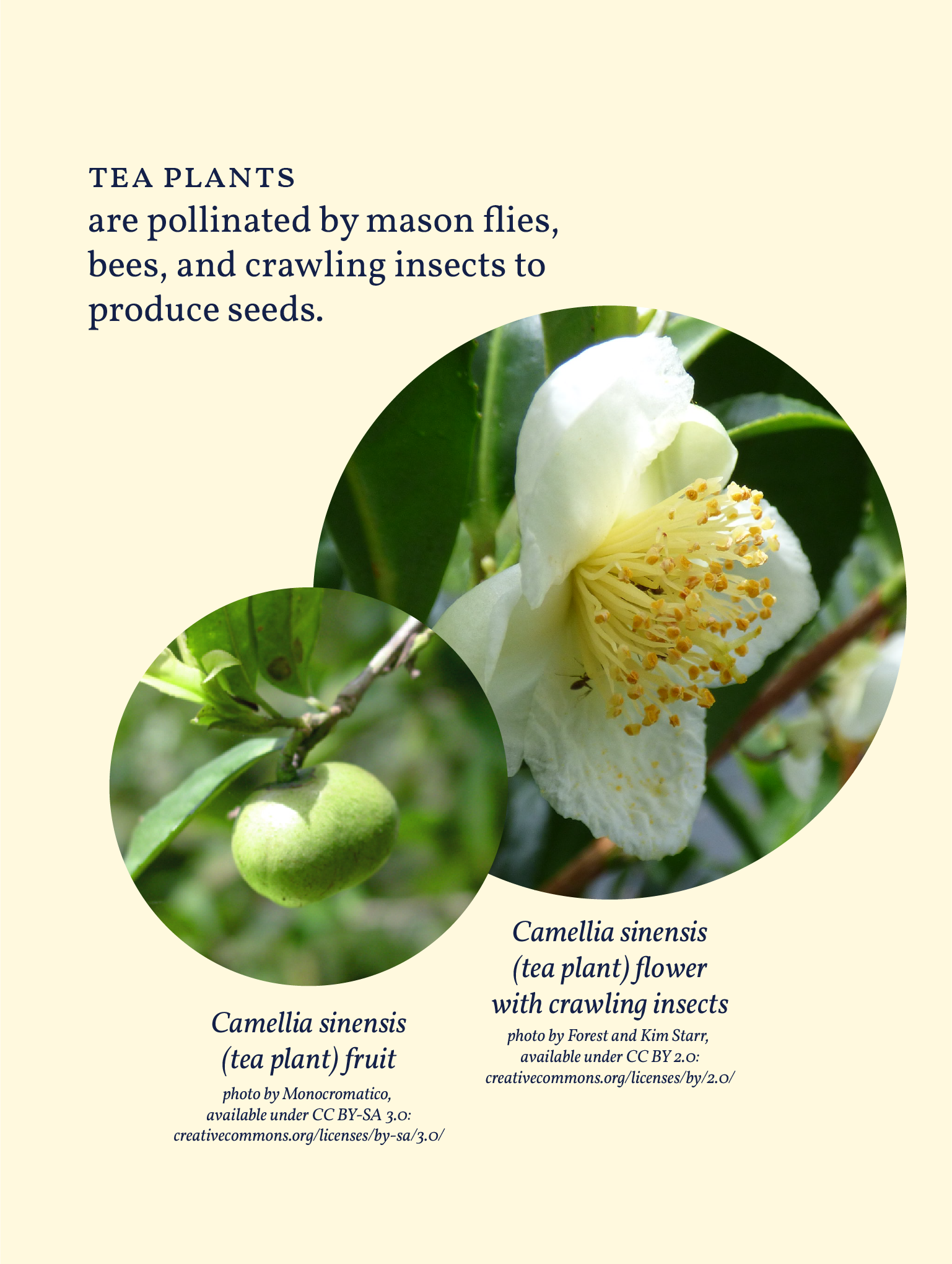 Image 3 of 4
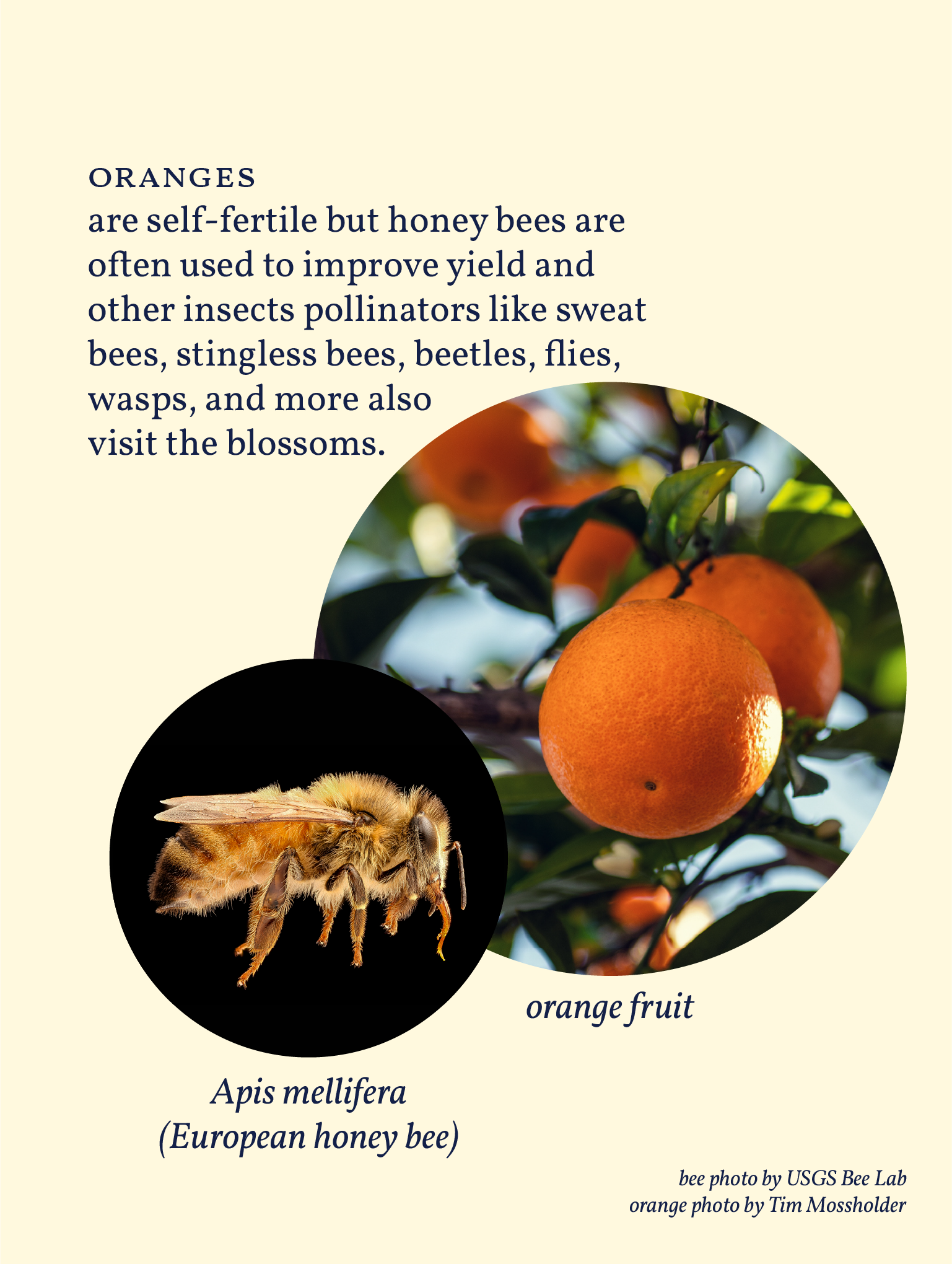 Image 4 of 4
2 oz scone, 3 pieces per order.
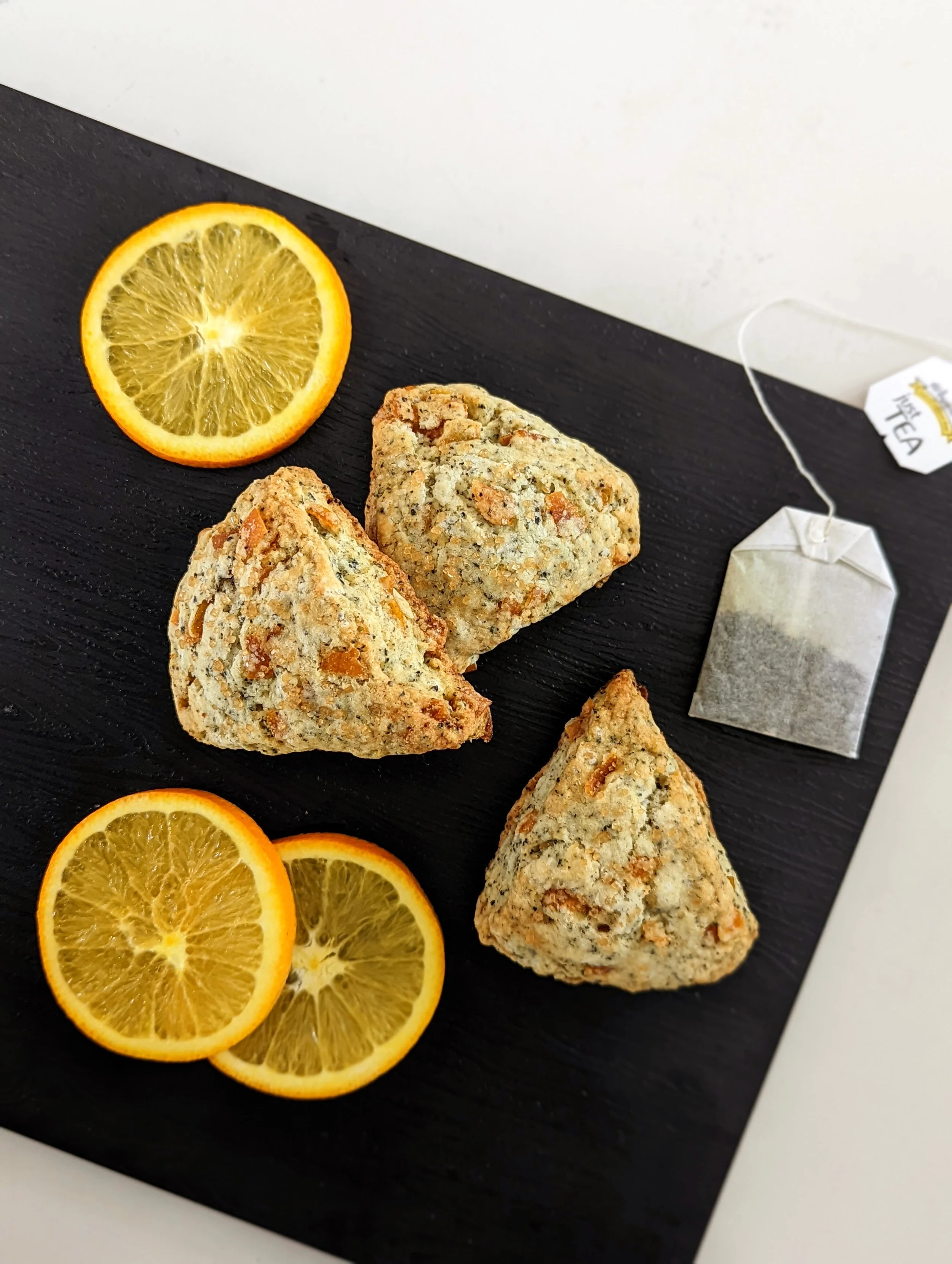
A flaky and tender scone with fragrant earl grey tea leaves and housemade candied orange peel.
Allergens: Wheat, Milk, Egg, Soy.
Processed in a facility that also processes nuts.
Made in a Home Kitchen.
Key ingredients in all of our baked goods benefit greatly from pollinators! While many varieties of oranges are self-fertile and can pollinate themselves, they often benefit greatly from insect pollinators. Many studies have found that insect pollination leads to higher quantity and quality of fruit, larger size, juicier, and sweeter fruit. Managed honey bees are commonly places in orange orchards and other insect pollinators known to visit orange blossoms include sweat bees, stingless bees, ground-nesting bees, beetles, flies, wasps, and more.
Although the tea plant, Camellia sinensis, doesn’t require pollination for its leaves to be harvested and made into tea, pollination is still important for seed production for the next generation. Tea plants are self-infertile and so need cross-pollination. Bees, flies, and possibly even crawling insects are said to be pollinators of tea plants, but it seems like research is lacking.
References:
• McGregor, S.E. Insect Pollination of Cultivated Crop Plants. USDA, July 1976.
• Monasterolo, Marcos, et al. “Animal pollination contributes to more than half of citrus production.” Scientific Reports, Volume 14, 27 Sep. 2024. https://doi.org/10.1038/s41598-024-73591-6.
• Patrício-Roberto, Gleiciani B., et al. “Evaluating the significance of native vegetation surrounding orange orchards for the pollinator community.” Agriculture, Ecosystems & Environment, Volume 393, 1 Nov. 2025. https://doi.org/10.1016/j.agee.2025.109830.
• Wickramaratne, M.R.T. & Vitarana, S.I. “Insect pollination of tea (Camellia sinensis L.) in Sri Lanka.” Tropical Agriculture, Volume 62, Issue 3, 30 July 1985.
IMPORTANT NOTE: All purchases of our baked goods through this website are PRE-ORDERS that need to be picked up at the location and date/timeframe specified during checkout. Shipping is available only within New York state via USPS Priority Mail. Shipments are sent out the Monday following the pre-order pick-up date and should arrive in 2-3 days. If you enter a shipping address outside of NY state, your order will be canceled and refunded.
2 oz scone, 3 pieces per order.
A flaky and tender scone with fragrant earl grey tea leaves and housemade candied orange peel.
Allergens: Wheat, Milk, Egg, Soy.
Processed in a facility that also processes nuts.
Made in a Home Kitchen.
Key ingredients in all of our baked goods benefit greatly from pollinators! While many varieties of oranges are self-fertile and can pollinate themselves, they often benefit greatly from insect pollinators. Many studies have found that insect pollination leads to higher quantity and quality of fruit, larger size, juicier, and sweeter fruit. Managed honey bees are commonly places in orange orchards and other insect pollinators known to visit orange blossoms include sweat bees, stingless bees, ground-nesting bees, beetles, flies, wasps, and more.
Although the tea plant, Camellia sinensis, doesn’t require pollination for its leaves to be harvested and made into tea, pollination is still important for seed production for the next generation. Tea plants are self-infertile and so need cross-pollination. Bees, flies, and possibly even crawling insects are said to be pollinators of tea plants, but it seems like research is lacking.
References:
• McGregor, S.E. Insect Pollination of Cultivated Crop Plants. USDA, July 1976.
• Monasterolo, Marcos, et al. “Animal pollination contributes to more than half of citrus production.” Scientific Reports, Volume 14, 27 Sep. 2024. https://doi.org/10.1038/s41598-024-73591-6.
• Patrício-Roberto, Gleiciani B., et al. “Evaluating the significance of native vegetation surrounding orange orchards for the pollinator community.” Agriculture, Ecosystems & Environment, Volume 393, 1 Nov. 2025. https://doi.org/10.1016/j.agee.2025.109830.
• Wickramaratne, M.R.T. & Vitarana, S.I. “Insect pollination of tea (Camellia sinensis L.) in Sri Lanka.” Tropical Agriculture, Volume 62, Issue 3, 30 July 1985.
IMPORTANT NOTE: All purchases of our baked goods through this website are PRE-ORDERS that need to be picked up at the location and date/timeframe specified during checkout. Shipping is available only within New York state via USPS Priority Mail. Shipments are sent out the Monday following the pre-order pick-up date and should arrive in 2-3 days. If you enter a shipping address outside of NY state, your order will be canceled and refunded.